|
|
|
|
 |
|
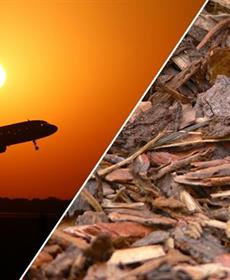
The effects of the Iran war on the oil market have brought renewed attention to the EU’s plans for domestic production of fossil-free aviation fuels. But EU rules for synthetic aviation fuels risk steering development towards production pathways that are both more expensive and more energy-intensive than necessary – making it harder to meet climate targets. This is shown in a recent study from Chalmers University of Technology, Sweden, that has analysed different methods for producing synthetic methanol. ...more |
|
|
|
|
|
|
 |
|
Maize, rice and cassava drive more deforestation than major export-oriented crops like cocoa, coffee, and rubber. This has been shown by researchers from Chalmers University of Technology, Sweden, in the most comprehensive global survey of how different commodities are causing deforestation. The study confirms the major impact of meat production, but reveals several overlooked drivers of deforestation. ...more |
|
|
|
|
|
|
 |
|
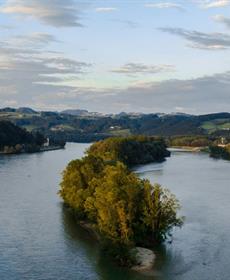
Green hydrogen is considered to be an important part of the global climate transition, especially as a fuel and energy carrier for heavy transport and industry. However, large-scale green hydrogen production requires sustainable ways of managing water resources to avoid giving rise to water shortages and conflicts with agriculture over access. This has been shown in a unique study from Chalmers University of Technology in Sweden, that connects local water supply with a range of scenarios for future hydrogen needs in Europe. ...more |
|
|
|
|
|
|
 |
|
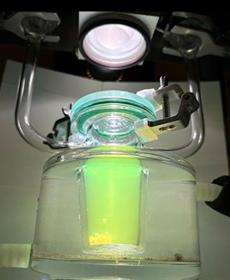
A research team led by Chalmers University of Technology, Sweden, have presented a new way to produce hydrogen gas without the scarce and expensive metal platinum. Using sunlight, water and tiny particles of electrically conductive plastic, the researchers show how the hydrogen can be produced efficiently, sustainably and at low cost. ...more |
|
|
|
|
|
|
 |
|
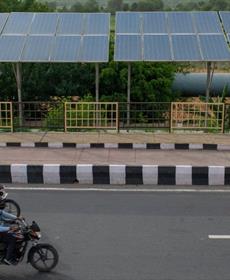
Ten years ago, we witnessed something akin to a miracle. ...more |
|
|
|
|
|
|
 |
|
In the summer of 2024, Dutch citizens ranked climate change as the most serious problem facing the world. Just a few months later, they elected a national government that ran on a platform of pulling back its climate policies. ...more |
|
|
|
|
|
|
 |
|
Much of Europe sweltered in August 2025 as a heat dome spread across the continent, pushing peak afternoon temperatures to over 40 degrees C (104 degrees F) in France and Spain. Meanwhile, parts of Greece, Turkey and Albania battled historic and devastating wildfires as high temperatures scorch the land. ...more |
|
|
|
|
|
|
 |
|
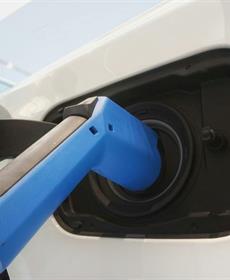
As hydrogen infrastructure is rolled out in the EU, refuelling stations must be distributed according to the same principle in all countries. But now a study from Chalmers University of Technology, Sweden, points to shortcomings in EU regulations. Using an advanced model, the researchers show that the distribution of refuelling stations may both be incorrectly dimensioned and lead to losses of tens of millions of euros a year in some countries.
...more |
|
|
|
|
|
|
 |
|
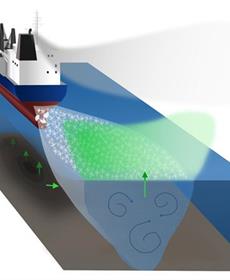
Ship traffic in shallow areas, such as ports, can trigger large methane emissions by just moving through the water. The researchers in a study, led by Chalmers University of Technology in Sweden, observed twenty times higher methane emissions in the shipping lane compared to nearby undisturbed areas. Despite the fact that methane is a greenhouse gas that is 27 times as powerful as carbon dioxide, these emissions are often overlooked with today's measurement methods. ...more |
|
|
|
|
|
|
 |
|
Cellulose-based textile materials can make the clothing sector more sustainable. Currently, cellulose-based textiles are mainly made from wood, but a study headed by researchers from Chalmers University of Technology in Sweden points to the possibility of using agricultural waste from wheat and oat. The method is easier and requires fewer chemicals than manufacturing forest-based cellulose, and can enhance the value of waste products from agriculture. ...more |
|
|